
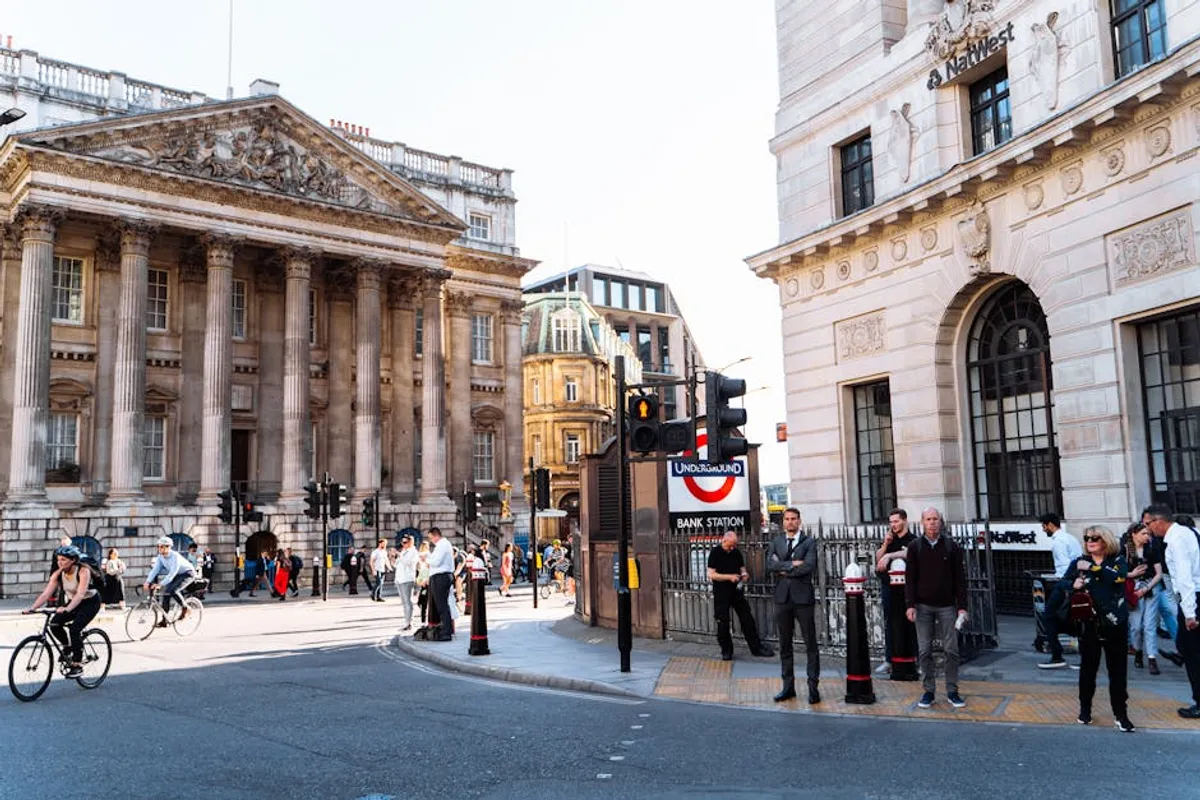
Mayfair London Explained represents a focused content initiative aiming to comprehensively detail the features and nuances of London's prestigious Mayfair district. Understanding the search profile around such a dedicated content hub is crucial for identifying audience segments, assessing informational demand, and uncovering potential content gaps. This analysis will explore the typical search queries, user intents, and content categories that a resource like 'Mayfair London Explained' would likely attract, providing insights into its organic visibility potential and the broader informational landscape of luxury urban exploration.
What Mayfair London Explained Appears to Cover
A content entity titled "Mayfair London Explained" would typically cover a broad spectrum of topics related to the area, moving beyond superficial tourist information to provide in-depth context. Core content categories would include historical narratives, detailing Mayfair's evolution from aristocratic residences to a global hub of luxury and finance. Architectural features, distinguishing the Georgian townhouses and their modern adaptations, would form another significant cluster. The economic landscape, encompassing high-end retail, exclusive dining, and prime real estate, would be thoroughly explored. Cultural aspects, such as art galleries, auction houses, and private members' clubs, would also receive dedicated coverage. Beyond static descriptions, dynamic content might track current events, new developments, or changing demographic trends within the district. The depth of articles would likely extend to specific street histories, profiles of notable residents, and analyses of Mayfair's influence on broader London and global trends.
Where Its Search Traffic May Come From
Search traffic for a resource like Mayfair London Explained would originate from diverse query types reflecting various user needs. A significant portion would likely be informational, driven by users seeking facts about the district's history, landmarks, or current status. Navigational queries might target specific establishments mentioned within the content, such as "Burlington Arcade opening hours" or "best restaurants in Mayfair." Transactional intent, though indirect for an informational site, could manifest as searches for "Mayfair property for sale" or "luxury hotels Mayfair," where the content serves as a preliminary research phase for high-value decisions. Long-tail keywords combining location and specific interests, like "Mayfair art galleries with modern collections" or "history of Grosvenor Square," would also contribute substantial, highly qualified traffic. The content's comprehensive nature means it could rank for both broad terms like "Mayfair London" and highly specific, niche queries, attracting users at various stages of their research journey.
Search Intent Behind the Subject
The primary search intent for content under the umbrella of "Mayfair London Explained" is predominantly informational. Users are seeking to understand, learn, and gather details about the district. This intent can be further broken down into several sub-intents:
Research Intent: Users looking for historical facts, architectural styles, or economic data about Mayfair. They might use queries such as "Mayfair history," "Georgian architecture Mayfair," or "Mayfair property market trends."
Exploratory Intent: Individuals planning a visit or simply curious about the area's offerings. Queries like "things to do in Mayfair," "Mayfair luxury shopping," or "best places to eat Mayfair" fall into this category. These users are often seeking inspiration or a curated list of experiences.
Comparative Intent: Users comparing Mayfair with other luxury districts or seeking to understand its unique selling propositions. They might search for "Mayfair vs Knightsbridge" or "why is Mayfair so expensive," indicating a need for comparative analysis and justification.
Problem-Solving Intent: Although less common for a geographical location, some users might seek solutions related to Mayfair, such as "how to get to Mayfair from Heathrow" or "parking in Mayfair." The "Explained" aspect implies a focus on clarity and problem resolution for common user queries.
The content's success hinges on accurately addressing these varied informational needs, providing clear, authoritative, and well-structured answers.
Why Traffic May Rise or Fall
Traffic to content focused on "Mayfair London Explained" is influenced by several factors. A rise in traffic could be driven by increased global interest in luxury travel, investment in prime London real estate, or specific events happening in Mayfair, such as major art fairs or cultural festivals. Seasonal tourism peaks, particularly during summer and holiday periods, also contribute to higher search volumes for destination-specific content. Conversely, traffic may fall due to broader economic downturns affecting luxury spending and travel, or a decrease in overall search interest for London-centric topics. Changes in search engine algorithms that de-prioritize older, less frequently updated content can also lead to declines. The emergence of new, highly authoritative competitors offering similar deep dives into Mayfair could also fragment the search landscape and divert traffic.
How the Site Could Improve Organic Visibility
To enhance organic visibility, a content hub like Mayfair London Explained should focus on several strategic areas. First, conduct thorough keyword research to identify long-tail and semantic variations of core Mayfair terms, ensuring content addresses specific, niche queries beyond broad topics. Implementing a robust internal linking structure, connecting related articles on history, architecture, and current events, would improve crawlability and distribute link equity. Developing comprehensive topic clusters around key themes such as "Mayfair real estate," "Mayfair dining experiences," or "Mayfair art scene" would signal topical authority to search engines. Regularly updating existing content with fresh information, new developments, and current trends ensures relevance. Incorporating rich media, such as high-quality images, videos, and interactive maps, can increase engagement signals. Finally, building external links from reputable sources in travel, luxury, and real estate sectors would bolster domain authority and improve ranking potential.
What to Check Before Trusting Traffic Estimates
When evaluating traffic estimates for any content initiative, including one focused on "Mayfair London Explained," critical scrutiny is essential. Verify the data source: proprietary tools often use different methodologies, leading to discrepancies. Understand the scope of the estimate, whether it includes all organic traffic, specific keyword groups, or only top-ranking pages. Cross-reference data from multiple, independent analytics platforms to identify consistent trends versus outliers. Pay attention to the date of the data; older estimates may not reflect current search landscapes or algorithm changes. Consider the methodology for keyword attribution and search volume calculations, as these can vary significantly. Finally, assess the estimated traffic against known market size and search demand for the topic; unusually high or low figures might indicate inaccuracies or a misinterpretation of the data.
Frequently Asked Questions About Mayfair London Explained
What types of information does Mayfair London Explained typically provide?
Content generally covers the district's history, architectural styles, economic landscape including luxury retail and real estate, cultural institutions like art galleries, and exclusive dining or hospitality experiences.
How does Mayfair London Explained cater to different search intents?
It addresses informational intent through detailed historical accounts, exploratory intent with guides on attractions and activities, and potentially comparative intent by discussing Mayfair's unique attributes against other luxury areas.
What are "safer alternatives" in the context of Mayfair London Explained?
"Safer alternatives" refer to other authoritative and complementary sources of information about Mayfair London. These could include official tourism boards, established real estate consultancies, historical societies, or reputable news archives, ensuring a well-rounded and verified understanding of the district.
Who is the primary audience for content like Mayfair London Explained?
The primary audience includes luxury travelers, potential real estate investors, history enthusiasts, art collectors, and individuals seeking in-depth knowledge about London's most exclusive district.