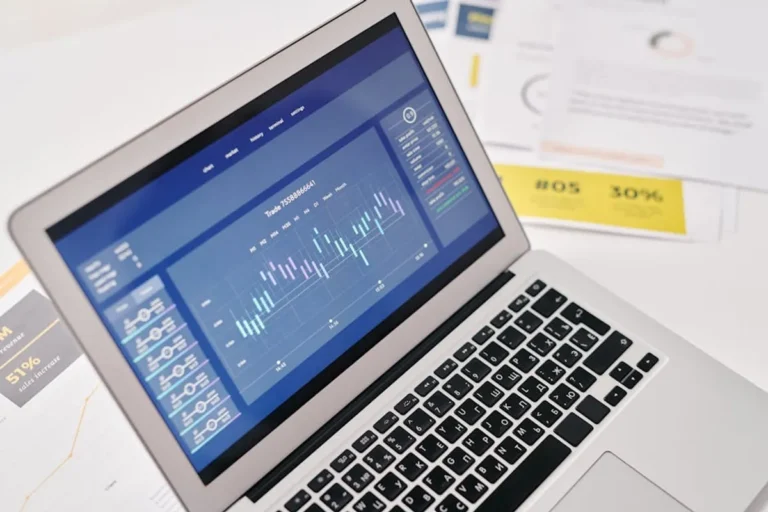

Lyncconf represents a subject that generates specific search interest, particularly concerning its operational aspects and the broader implications of its use. Analyzing the content landscape around Lyncconf provides insight into its audience's needs, ranging from understanding its core functionalities to exploring potential security or privacy considerations. The presence of topics like "features" and "safer alternatives" within its search profile indicates a user base engaged in both informational discovery and commercial investigation, seeking detailed explanations and comparative insights into related solutions.
What Lyncconf Appears to Cover
Content orbiting Lyncconf typically addresses its fundamental characteristics and operational parameters. This includes detailed explanations of how Lyncconf functions, its typical integration points within existing systems, and the specific use cases it addresses. Articles commonly delve into the technical specifications, user interface elements, and any unique functionalities that differentiate it. A key content cluster also centers on "safer alternatives," suggesting a significant user concern regarding security, data privacy, or compliance. This segment of content would likely compare Lyncconf against other options based on criteria such as encryption standards, data residency, access controls, and overall system reliability, providing users with a comparative framework for evaluation.
Where Its Search Traffic May Come From
Search traffic for Lyncconf likely originates from several distinct user intents. Direct searches for "Lyncconf" or "Lyncconf features" indicate users seeking foundational information or specific operational details. Long-tail queries might include phrases like "Lyncconf data security," "Lyncconf privacy settings," or "alternatives to Lyncconf for secure communication," reflecting a deeper investigative phase. Users might also arrive via comparisons, such as "Lyncconf vs. [competitor name]," where they are actively weighing different options. Educational content, troubleshooting guides, or articles discussing industry trends that involve Lyncconf could also drive traffic, capturing users at various stages of their research journey.
Search Intent Behind Lyncconf
The search intent surrounding Lyncconf is multi-faceted. A significant portion is informational, driven by users aiming to understand what Lyncconf is, its historical context, or its basic capabilities. Another strong component is commercial investigation, where users are evaluating Lyncconf for potential adoption or seeking alternatives. This intent is particularly evident in searches for "safer alternatives," indicating a need for solutions that meet specific security, privacy, or reliability benchmarks. Some users may also exhibit problem-solving intent, searching for ways to mitigate perceived risks or improve existing implementations related to Lyncconf, leading them to content that offers best practices or alternative approaches.
Why Traffic May Rise or Fall
Organic traffic related to Lyncconf can fluctuate based on several factors. A rise might occur due to increased public discourse or media attention surrounding Lyncconf, new feature announcements (if applicable), or heightened awareness of digital security and privacy leading to more searches for "safer alternatives." Conversely, traffic could decline if the subject's relevance diminishes, if competing solutions gain significant market share and search visibility, or if the content addressing Lyncconf and its alternatives becomes outdated. Search engine algorithm updates that favor different content types or authority signals could also impact visibility, causing shifts in traffic patterns.
How the Site Could Improve Organic Visibility
To enhance organic visibility, a site discussing Lyncconf should focus on creating comprehensive, authoritative content. This involves producing detailed feature breakdowns that address specific user questions, offering in-depth comparisons between Lyncconf and its "safer alternatives" across multiple criteria (e.g., security protocols, data handling, user experience), and publishing practical guides on implementing or migrating between solutions. Developing content clusters around specific security concerns, compliance standards, or privacy best practices can capture long-tail search demand. Moreover, ensuring content is regularly updated to reflect the latest developments in Lyncconf or its alternatives, coupled with a robust internal linking strategy, can signal topical authority to search engines.
What to Check Before Trusting Traffic Estimates
When evaluating traffic estimates for any domain, it is crucial to approach the data with a critical perspective. These figures are often projections derived from third-party tools, not direct analytics. Key considerations include the methodology used by the estimation tool, the recency of the data, and the specific keyword universe being analyzed. It is advisable to look for consistent trends over time rather than relying on isolated data points. Discrepancies between different estimation sources can also highlight the approximate nature of these figures, emphasizing the need for caution before making definitive conclusions based solely on projected traffic.
What are the core features typically associated with Lyncconf?
The core features typically associated with Lyncconf, as discussed in relevant content, often include its communication capabilities, data sharing functionalities, and integration potential with various enterprise systems. Content frequently explores aspects like its user interface, administrative controls, and any unique protocols it employs for data transmission or collaboration.
Why do users search for "safer alternatives" to Lyncconf?
Users search for "safer alternatives" to Lyncconf primarily due to concerns related to data security, privacy implications, or compliance requirements. Content addressing this topic often highlights potential vulnerabilities, data handling policies, or specific operational risks, prompting users to seek out options that offer enhanced protection or align better with their organizational security postures.
What types of content best serve users researching Lyncconf alternatives?
Content that best serves users researching Lyncconf alternatives includes detailed comparison guides, articles outlining specific security features of alternative solutions, and practical migration tutorials. Such content often provides objective criteria for evaluation, user testimonials, and clear explanations of how alternatives address the concerns that drive the search for safer options.
How can a site effectively cover both Lyncconf and its alternatives without confusing users?
A site can effectively cover both Lyncconf and its alternatives by structuring content into clear, distinct sections or topic clusters. This involves dedicating separate articles to Lyncconf's features and its specific challenges, while also creating dedicated content for each alternative, highlighting its unique benefits and how it addresses common concerns. A well-organized internal linking structure can guide users between related topics without confusion.