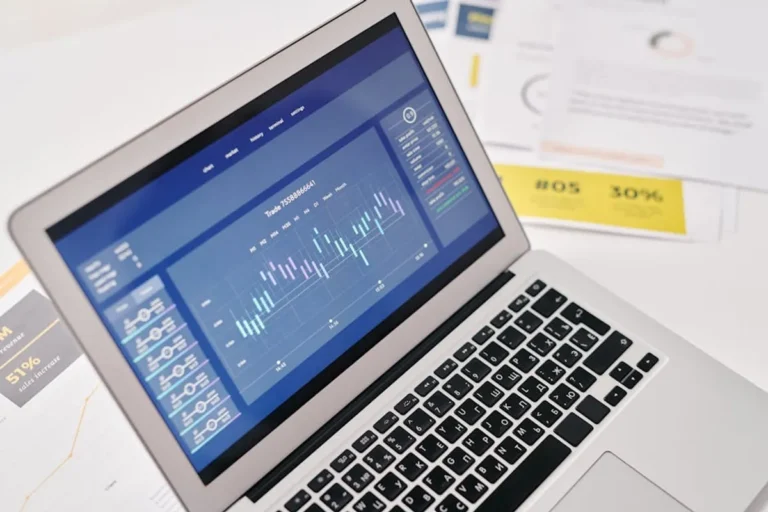

Ipsdetails operates within a niche centered on Internet Protocol (IP) address information, a domain critical for network administration, cybersecurity, and digital forensics. Analyzing its search traffic profile reveals not only the types of users it attracts but also the specific informational needs it addresses. Understanding Ipsdetails' content strategy and search visibility patterns is essential for anyone looking to comprehend its market positioning and potential for organic growth in a competitive landscape.
What Ipsdetails Appears to Cover
Ipsdetails' content typically revolves around the exposition and utility of IP addresses. This includes a foundational layer of content explaining what an IP address is, differentiating between IPv4 and IPv6, and outlining their functional roles in internet communication. A significant portion of its content appears to focus on IP lookup functionalities, encompassing geolocation data, Internet Service Provider (ISP) identification, and network ownership details via WHOIS records. The site also seems to publish articles and tools related to detecting proxies, Virtual Private Networks (VPNs), and other anonymizing services, which are crucial for fraud prevention and content geo-restriction. Further content categories might extend to network security topics, such as identifying potential threats associated with specific IP ranges or understanding common attack vectors that leverage IP information. The editorial voice tends to be technical and informative, aiming to provide authoritative answers to direct queries about IP data.
Where Its Search Traffic May Come From
Search traffic to Ipsdetails likely originates from a mix of direct and informational queries. Direct searches for "Ipsdetails" indicate brand recognition, while informational queries form the bulk of its organic visibility. These informational searches often include phrases such as "what is my IP address," "IP geolocation lookup," "who owns this IP," or "check IP address for VPN." Users performing these searches are typically seeking immediate answers or a functional tool to perform a specific IP-related task. Traffic can also stem from longer-tail queries related to network troubleshooting, digital privacy concerns, or cybersecurity investigations. The site's ability to rank for these diverse queries suggests a broad content strategy that caters to both quick-answer needs and more in-depth educational requirements.
Search Intent Behind Ipsdetails
The audience engaging with Ipsdetails exhibits a blend of distinct search intents. The primary intent is often informational, where users seek to understand IP addresses, network concepts, or the implications of IP data. This is evident in queries like "how does IP geolocation work" or "what is a static IP." A strong secondary intent is functional or transactional, where users are looking to perform an action, such as executing an IP lookup to find specific details about an address. This intent is driven by practical needs, whether for personal curiosity, business intelligence, or security assessments. Furthermore, a segment of users may exhibit a problem-solving intent, using Ipsdetails to diagnose network issues, verify the legitimacy of online interactions, or assess digital security risks. The presence of "safer alternatives" in search queries related to IP details suggests a user need for reassurance regarding data security, privacy, or reliability within the broader IP information niche. Ipsdetails could address this by publishing content that outlines its data handling practices, security protocols, or provides objective comparisons of different approaches to IP information gathering, thereby building user trust.
Why Traffic May Rise or Fall
Ipsdetails' organic traffic is susceptible to several factors. Search engine algorithm updates frequently impact sites that provide utility-based or informational content, particularly those with a high volume of short-form or query-response pages. Shifts in user behavior, such as increased mobile usage for quick lookups or evolving privacy concerns, can also influence query patterns and, consequently, traffic. Competition from other IP lookup services and cybersecurity platforms is constant; new entrants or improved features from existing players can divert search volume. The accuracy and freshness of the IP data presented by Ipsdetails are critical; outdated information can lead to a decline in user trust and search rankings. Additionally, the site's technical SEO health, including page speed, mobile-friendliness, and structured data implementation, plays a significant role in maintaining or improving visibility.
How the Site Could Improve Organic Visibility
To enhance its organic visibility, Ipsdetails could focus on several key areas. Expanding its content depth on specialized IP-related topics, such as specific country IP ranges, advanced network analysis techniques, or the legal implications of IP data, would attract more niche, high-value traffic. Developing comprehensive guides that compare different IP intelligence methodologies or data sources could position Ipsdetails as an authoritative resource. Improving the user experience for common lookup tasks, ensuring fast load times, and providing clear, actionable results would also contribute to better engagement signals. From a content strategy perspective, creating detailed, internally linked topic clusters around core subjects like "IP security," "privacy implications of IP," or "network diagnostics" would strengthen its topical authority. Specifically addressing the "safer alternatives" intent through transparent content that details Ipsdetails' data practices, security measures, and commitment to user privacy could convert cautious searchers into regular users.
What to Check Before Trusting Traffic Estimates
When evaluating traffic estimates for a domain like Ipsdetails, it is crucial to approach the data with a critical perspective. No single third-party tool provides perfectly accurate traffic figures; instead, they offer estimations based on various methodologies, including keyword ranking data, click-through rate models, and panel data. Before drawing conclusions, consider the data source's reputation and its stated methodology. Assess the recency of the data, as search trends and algorithm changes can rapidly alter a site's performance. Focus on relative trends and patterns rather than absolute numbers. For instance, understanding if traffic is generally increasing or decreasing, and which content categories are performing best, provides more actionable insights than a precise, but potentially inaccurate, monthly visitor count. Cross-referencing data from multiple sources, if available, can also help validate observed patterns.
What types of IP-related information does Ipsdetails typically provide?
Ipsdetails generally offers content and tools for IP address lookup, including geolocation, ISP identification, WHOIS data, and detection of VPNs or proxies. Its resources often explain fundamental IP concepts and their applications in network management and security.
How does Ipsdetails attract users searching for IP lookup services?
Ipsdetails attracts users through organic search by ranking for direct queries like "what is my IP" and informational queries such as "IP geolocation explained." Its content addresses both immediate functional needs and broader educational interests related to IP addresses.
What kind of content could Ipsdetails develop to address security or privacy concerns?
To address security and privacy concerns, Ipsdetails could publish detailed articles on its data handling policies, security protocols, and how it protects user information. Content comparing various IP information methods for privacy and reliability would also build trust.
How might search engine updates affect Ipsdetails' visibility?
Search engine updates can significantly impact Ipsdetails' visibility by re-evaluating content quality, relevance, and user experience signals. Updates often prioritize authoritative, accurate, and mobile-friendly content, which could either boost or diminish the site's rankings for IP-related queries.