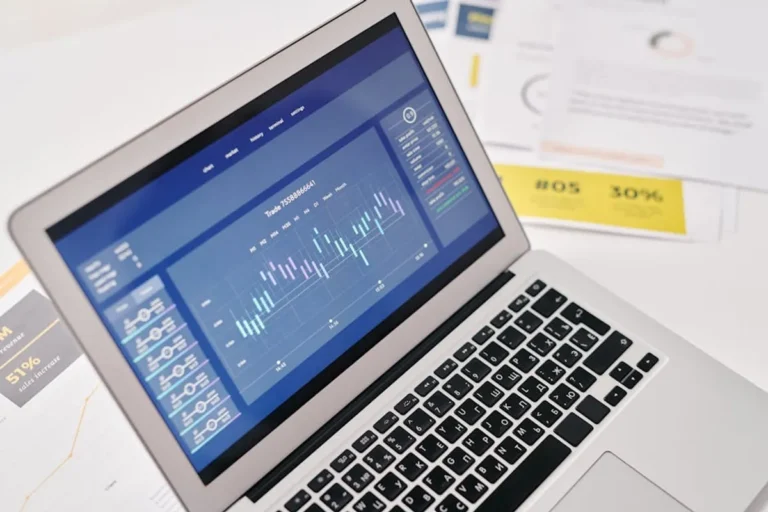
Analyzing the search profile of Fintechasia provides insight into its positioning within the competitive financial technology information landscape. The domain appears to serve as a content hub, aiming to capture organic search traffic from individuals and businesses seeking information, comparisons, and guidance related to fintech innovations. Understanding its content categories, audience intent, and visibility patterns is crucial for any entity operating in or observing the digital finance sector, as it reveals how a specialized information portal carves out its niche through targeted content.
What Fintechasia Appears to Cover
Fintechasia's content strategy primarily revolves around explaining the intricacies of financial technologies, their applications, and their impact on various industries. The site publishes articles that delve into emerging trends such as blockchain in finance, artificial intelligence in banking, and the evolution of digital payment systems. It frequently covers regulatory landscapes affecting fintech, offering explanations of compliance requirements and industry standards. Another significant content cluster focuses on the practical implementation of financial technologies, including case studies, technology adoption guides, and discussions around the benefits and challenges of integrating new systems. The site also appears to address user concerns around security and reliability within the financial technology sector, suggesting it covers topics comparing different fintech solutions, evaluating their security protocols, and guiding users toward understanding the nuances of financial product choices, potentially positioning its content as a resource for those seeking robust options in the broader market.
Where Its Search Traffic May Come From
Organic search traffic to Fintechasia likely originates from a mix of informational and commercial investigation queries. Keyword analysis would indicate a strong presence around terms like "what is [specific fintech term]," "how [fintech technology] works," and "benefits of [fintech solution]." The site probably ranks for long-tail keywords associated with specific financial regulations, compliance issues, or technological breakdowns, attracting users who require detailed explanations. Given the "safer alternatives" angle in the title, it's probable that the site also attracts traffic from comparative searches, such as "[fintech service] vs. [another service]," or "secure [type of financial technology]." This suggests an audience actively researching and evaluating options, moving beyond initial awareness to deeper consideration. The site's content depth on niche topics within fintech would be a primary driver for these specific, often lower-volume but high-intent, search queries.
Search Intent Behind Fintechasia
The reader intent targeted by Fintechasia spans informational, comparative, and potentially transactional investigation phases. Informational intent is evident in its explanatory articles on complex fintech concepts, aiming to educate users about new technologies and market shifts. Comparative intent is addressed through content that helps users weigh different solutions, often by outlining features, advantages, and considerations. This includes articles that might implicitly or explicitly discuss "safer alternatives" by detailing security measures, regulatory adherence, or stability of various financial technologies. While not directly transactional, the site's content supports users in their decision-making process, leading them closer to adopting or investing in specific fintech solutions. The editorial voice maintains an authoritative yet accessible tone, making complex financial topics digestible for both industry professionals and interested general readers.
Why Traffic May Rise or Fall
Fintechasia's organic traffic is subject to several dynamics. A rise in traffic could be attributed to consistent publication of timely content on emerging fintech trends, strong performance in Google's E-E-A-T signals (Experience, Expertise, Authoritativeness, Trustworthiness) within the financial niche, and effective internal linking that reinforces topical authority. Algorithmic updates that favor in-depth, expert-written content in YMYL (Your Money Your Life) categories would also positively impact its visibility. Conversely, traffic could fall due to increased competition from other financial news outlets or specialized fintech blogs, a decline in search interest for specific, previously popular fintech topics, or technical SEO issues such as poor mobile performance or slow page loading times. A failure to update content in a rapidly evolving industry like fintech could also lead to decreased relevance and visibility.
How the Site Could Improve Organic Visibility
To enhance its organic visibility, Fintechasia could focus on several strategic areas. Developing more comprehensive topic clusters around high-value, high-competition keywords could establish stronger topical authority. This involves creating pillar pages supported by numerous detailed sub-articles. Implementing structured data markup (schema.org) for financial products, events, or explanations could improve its chances of appearing in rich snippets and featured snippets, increasing click-through rates. Expanding its content to include more expert interviews, proprietary research, or detailed case studies would further bolster its E-E-A-T signals. Actively monitoring search intent for core topics and refining existing content to better address those intents, especially for comparative and "alternatives" queries, would ensure higher relevance. Lastly, a robust backlink acquisition strategy, focusing on high-authority financial and technology publications, would be critical for improving domain authority.
What to Check Before Trusting Traffic Estimates
When evaluating traffic estimates for a domain like Fintechasia from third-party tools, it is essential to consider the inherent limitations of such data. These tools rely on various methodologies, including keyword ranking data, clickstream data, and proprietary algorithms, which can vary significantly in accuracy. Key aspects to verify include the specific data sources used by the tool, the freshness of the data, and whether the estimates account for international traffic nuances if the site serves a global audience. Discrepancies often arise in accurately estimating long-tail keyword traffic or traffic from specific geographic regions. Therefore, external estimates should be treated as directional indicators rather than precise figures, ideally cross-referenced with internal analytics data from the site itself for a complete picture.
Is Fintechasia a news site or a research portal?
Fintechasia appears to function as a hybrid, blending elements of a news site by covering current trends and developments with the depth of a research portal through its explanatory articles and detailed analyses of financial technologies.
What kind of audience does Fintechasia attract?
The site likely attracts a diverse audience including fintech professionals, financial services executives, investors, entrepreneurs, and individuals seeking to understand or implement financial technology solutions, often with a specific interest in security and comparative analysis.
How does Fintechasia address emerging fintech trends?
Fintechasia addresses emerging trends by publishing timely articles, in-depth reports, and analyses that explain new technologies, their market implications, and potential future developments, contributing to its role as a thought leader in the space.
Does Fintechasia offer product comparisons?
While not a direct product review site, Fintechasia's content strategy suggests it provides comparative information by discussing the features, security aspects, and regulatory compliance of various financial technologies, assisting users in evaluating different options.